
Fussy eaters: all you need to know about food neophobia
Mum or grandmother, it makes no difference. Getting a child to eat everything you put on the table can sometimes feel like a feat. You have spent hours in the kitchen preparing a surprise, a recipe made with out-of-the-ordinary ingredients. And then, disappointment. The child refuses to touch it. What if they were suffering from food neophobia? How should you react?
Translated from French. Original title: “On vous dit tout sur la néophobie alimentaire”
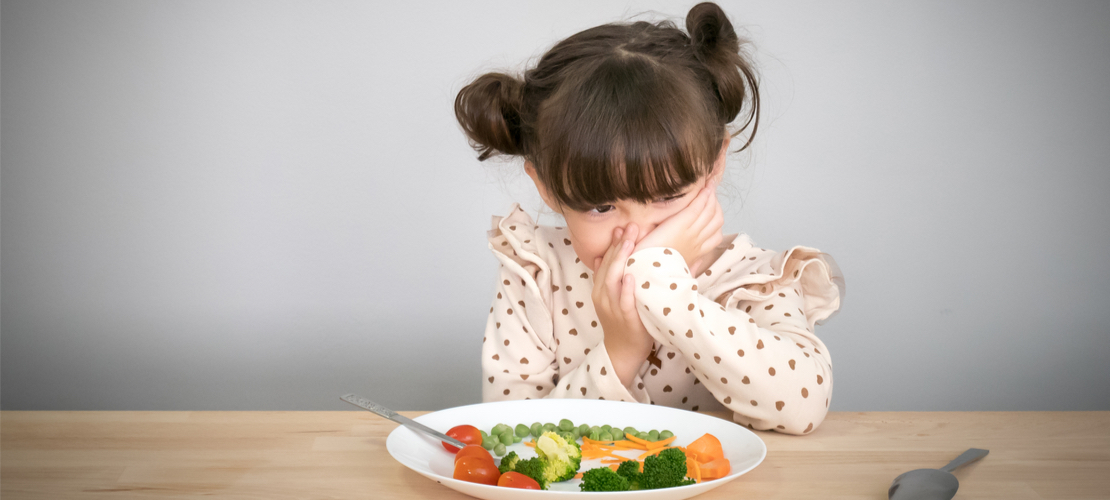
What is food neophobia?
This type of neophobia (fear of the new) describes a child's fear of, and refusal to, taste new foods. Usually vegetables. Food neophobia generally appears during the phase when children want to assert their authority over their parents. According to studies, it would affect more than 75% of children. But it also affects other age groups. We are all more or less concerned by this form of food selectivity, let's be honest. All it takes is to try a dish of insects, a novelty that is far from winning everyone over. But let's close the parenthesis.
How should you react when a child refuses to eat?
Keep calm and don't escalate. No threats, no blackmail. You need to stay persistent in your determination to get the child to eat, but keep it playful. And without giving them the impression of being forced. Otherwise you risk turning mealtimes into a permanent battleground.
Rely on familiarity. If the child is reluctant to eat a vegetable or any other food, you need to get them used to whatever frightens them. By presenting that vegetable regularly, in different forms. It is a safe bet that they will eat it and will end up liking it.
Use your imagination. If you are preparing a new recipe, a handy trick is to invite the child to help you. They will join in and taste everything, just to copy you. Job done.
Resist temptation. The temptation to serve the child only what they like to eat.
Set an example. If you eat the food in front of the child, it will act as an incentive, through imitation.
When should you seek advice?
For a worried parent whose child hesitates over or refuses to eat what is put in front of them, it is not easy to know whom to turn to for solutions. As Dr Anne-Laure Delkens explains, "first of all, we must bear in mind that a child's refusal to eat what is on their plate is not a whim. Food neophobia has not yet given up all its secrets and remains poorly understood, but it is nonetheless a genuine disorder. One that is managed case by case, I would say. With patience, and games to encourage the child to touch and taste a new dish." The aim of the support, possibly with the help of a nutritionist, is to ensure the child does not suffer from deficiencies during their growth stage. A visit to a GP, then to a specialist, should also help rule out any physical or psychological problems that might prevent a child from eating certain foods.
 Health
 Travel
 Beauty