
Five aphrodisiacs to put on your plate
In your fifties, stress, fatigue or certain sexual dysfunctions can put the brakes on a couple's libido. While there are some well-known artificial stimulants, the aphrodisiacs provided by Mother Nature prove to be both effective and far tastier.
Translated from French. Original title: “Cinq aphrodisiaques à mettre dans l’assiette”
Five aphrodisiac foods
For many of these so-called aphrodisiac foods, definitive studies are lacking, but never mind if legend wins out over reality. It is all about how you feel when eating these foods, which have positive effects for both women and men. But aphrodisiac or not, there are no miracle foods that will have you swinging from the chandeliers.
- Dark chocolate, very high in cocoa. A treat for the taste buds adopted by lovers. Perhaps because dark chocolate contains phenylethylamine? This is the molecule of love, released during sex. The magnesium it contains, meanwhile, helps to counter premature ejaculation.
- Garlic. A real dilemma between its effects on the breath and its vasodilating power, which helps ensure a strong erection. A condiment that also boosts vitality.
- Asparagus. Asparagus stimulates the production of testosterone, and the vitamin E it contains thins the blood and improves circulation. The positive effects are a good erection and relaxation of the uterus. According to some studies, asparagus may also improve the quality of orgasm.
- Tomatoes. Lovely fruits found everywhere in the kitchen, rich in vitamin C, which is known for its vasodilating effects.
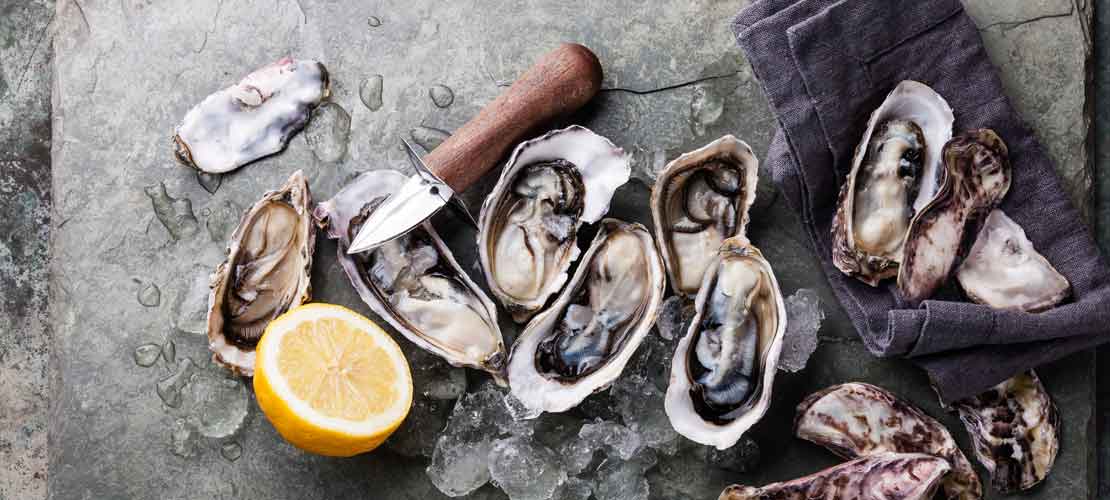
- Oysters. Consumed without restraint by Casanova, the oyster, and the way it is eaten straight from the shell, remains the most frequently cited aphrodisiac. A shellfish rich in zinc, a trace element essential for the synthesis of testosterone, and in dopamine. This neurotransmitter is known as the pleasure hormone.
Bad habits to give up
These aphrodisiac foods will have no effect (or less of one) unless you change certain bad eating habits. While alcohol can have a stimulating and disinhibiting effect, regular consumption reduces, among other things, the production of testosterone, the hormone produced by both men and women (though in smaller amounts in women) and responsible for sexual desire. This hormone declines gradually after the age of 35, so there is no point making matters worse. Sugar, found in fizzy drinks, sweets and industrially produced pastries, is also in the firing line. Sugar consumed in excess reduces testosterone production. Sweet treats are also harmful because of the artificial sweeteners they contain (aspartame, sucralose, sorbitol…). These are responsible for reducing the production of serotonin, the happiness hormone, and for increasing mood disorders, which are hardly compatible with a harmonious sex life. Finally, beware of too much coffee (more than 3 cups a day). Caffeine has a stimulating effect by prompting the production of the stress hormone.
Photo Shutterstock.
 Health
 Travel
 Beauty