
Empty nest syndrome: what to do when the children have flown
It is a lovely morning and the whole family is sitting down to breakfast. Everything is perfect, and then, suddenly, the news lands like a bombshell. Your child has decided to stand on their own two feet and move out. Of course, you always knew this day would come. But all of a sudden you have an awful lot of time on your hands. For whom, and for what? No wonder you feel thrown off balance… Below, we explain what you can do about empty nest syndrome once your children have left home.
Translated from Dutch. Original title: “Het legenestsyndroom: wat doe je als de kinderen het huis uit zijn?”
A difficult stage of life
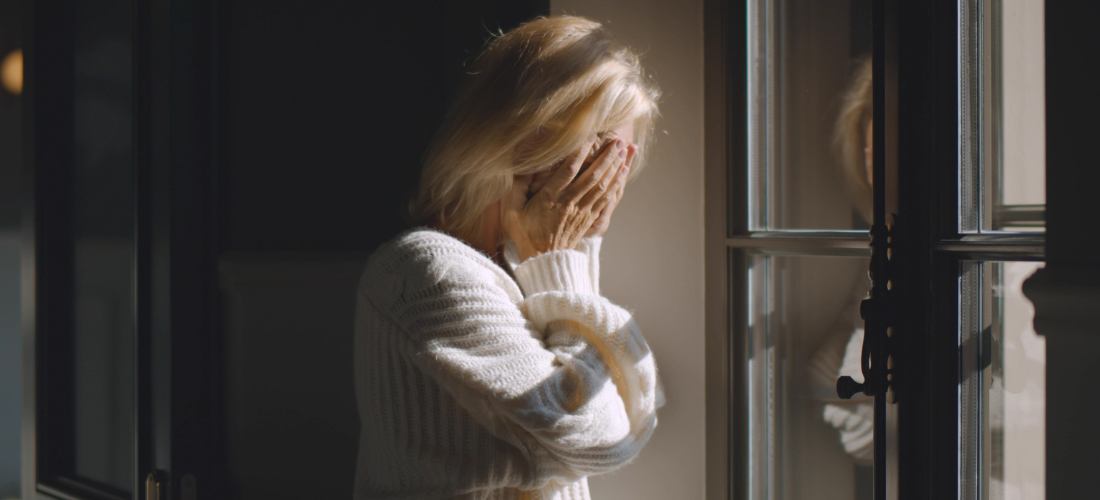
When a child leaves, many parents find themselves struggling with what the experts call empty nest syndrome. According to the available figures, it affects 35% of mothers. It is a deep, lingering pain, accompanied by a sense of emptiness and uselessness. Of course, living with growing children is not always easy, but they do bring life to the house: they invite friends over, they play music that echoes through every room, and they keep you up to date with the latest trends. On social media, you can read plenty of testimonies from mothers who feel they have suddenly been left empty-handed. Marie (56) says: “When my daughter left home at 18, I felt torn to pieces. A part of my heart had been ripped out of my body. It took a very long time for the wound to heal, even though my son still lives at home.” A child leaving can be an emotional shock that others often have little understanding of.
What are the symptoms?
There has been a great deal written and said about postnatal depression, but the blues that follow a child's departure can be just as intense. The phenomenon has been studied in the United States since the 1970s, which is where it got its name, empty nest syndrome. In ‘Het Lege Nest’, Peter de Wit movingly portrays a father's feelings after his children leave home, and clinical psychologist Béatrice Copper-Royer explains in ‘Le Jour où les Enfants s’en vont’: “A child's departure is a moment of letting go. And that is one of the hardest things we face as adults.”
According to Eurostat figures, young people in Belgium leave the parental home at an average age of 23. In Southern European countries, children stay at home until they are thirty. This is partly due to economic problems.
The symptoms associated with empty nest syndrome include a constant sense of unease, mood swings, a feeling of uselessness… These feelings can be made worse by the menopause, a stage of life that is not easy for a woman either. Whether a visit to the doctor is advisable depends on the severity of the symptoms. Throughout the country, you can turn to a family planning centre. You will find the list of addresses at www.belgium.be
How can you best cope with the loss?
It may be obvious, but empty nest syndrome is less severe in people who have a good social life and a good relationship, with a healthy balance between work and active leisure pursuits. People who prepared for their child's departure by building a life of their own while the child was still living at home also suffer less. Preparing yourself is therefore the best advice when a young adult's departure is approaching.
According to psychologists, this difficult period lasts about 15 months. It is a kind of mourning for what has passed, which you need to accept and work through. Pay no attention to what others say, but do not give in to endless complaining to your friends or colleagues either. It simply doesn't help. After all, a child leaving home is a normal part of life's evolution. But that does not mean you should not talk about your feelings at all. Open your heart so you can better let go of the negative emotions. Talk to your partner or your family, or keep a diary.
Fill the empty moments with things that take your mind off it. Don't stay in the bubble of loneliness that your child's departure has created. Focus on yourself and your surroundings again. Meet up with friends, go out, take up a sport. And who knows, perhaps you can give your career a fresh boost now that you have less responsibility as a mother?
What does it do to you as a couple?
Once a child has left, it can put a strain on your relationship and, in the worst case, it can end in divorce. This can happen if the relationship was not going well to begin with and you were really only staying together for the children. Once they have left home, there is little reason left not to part ways. The mother, no longer needing to shoulder the responsibility, may choose a new future on her own, to take on new projects before it is too late. According to figures and information on the Statbel website, in most cases it is women who file for divorce, at an average age of 46.7.
But a child leaving can also be seen as an opportunity to strengthen the bond between two partners once more. Take time for yourself and for your partner, and chart a new course together. You now have more time for each other, without having to take the children into account. Enjoy your newfound freedom. Rediscover what it is like to be lovers, and plan some sexy evenings. Or go on a second honeymoon.
Your child has left home: stay positive
Try to cheer yourself up by thinking each day about how much more time you have now that the children have left home. That means you can devote more attention to yourself and to your partner, and you are less restricted in what you do. And of course it is not a farewell, just a see you soon. So do as your children do, and enjoy your new freedom. To the full. After all, life begins at fifty. A child leaving also has all sorts of positive sides. You can rent out their room, or turn it into a hobby room. The fridge is no longer raided at every hour of the day, and you no longer have to play taxi driver or pay a water bill that would make you think you had an Olympic swimming pool in the garden. And thanks to new technology, you can be sure of staying in touch with your child, whether they live in a neighbouring town or in South America. If you don't show how hard you find it when your child wants to spread their wings, it tells them that you have faith in them. They will be grateful to you for that, and it strengthens the bond again. And they know they are always welcome at your door.
Would you like to receive the best stories from Fifty & Me in your inbox? Then sign up for the newsletter.
Image © Shutterstock
 Health
 Travel
 Beauty