
Compulsive shopping: when buying becomes an illness
For someone with oniomania, buying is an act that answers a low emotional state. An expensive pair of boots that will hardly ever be worn, or one more garment to tuck away in the wardrobe. Compulsive purchases made as a remedy for unhappiness. How should you respond?
Translated from French. Original title: “L’oniomanie, quand acheter est une maladie”
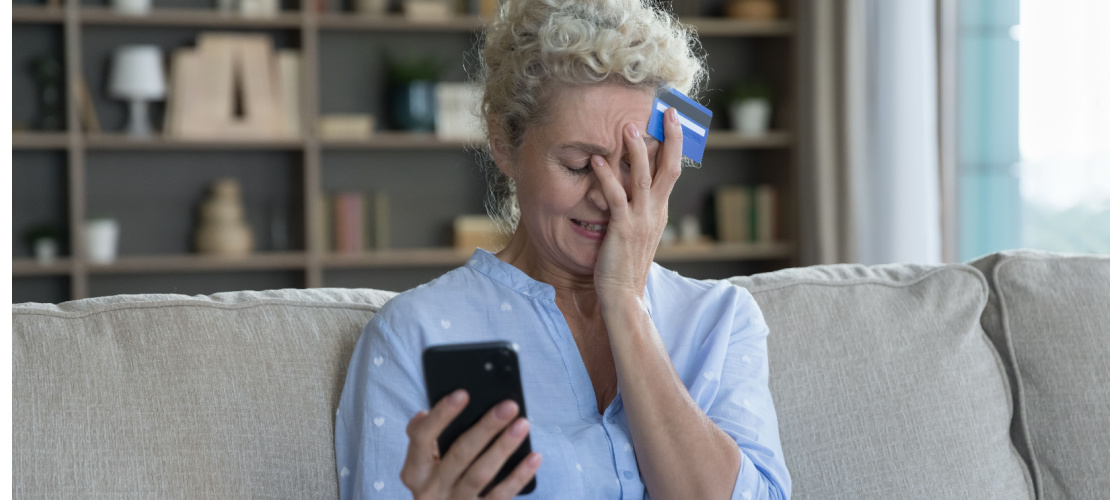
Oniomania: what is it?
The term oniomania covers a concept that became more widely known during the lockdowns. Many people braved their fear of the illness by buying in bulk online. Oniomania has been classed as an illness since 1990 and is listed in the Diagnostic and Statistical Manual of Mental Disorders. It is defined as impulsive spending carried out when a person is in a fragile psychological state. Studies point to a prevalence of between 6 and 7% of the population. Women tend to prefer purchases linked to fashion, perfume and home décor, whereas men are more tempted by electronics, cars or hi-fi (source: coreadd.com).
When is support necessary?
"Treating yourself to a few purchases can help lift your mood. Everyone can feel like forgetting their worries with a few small impulse buys, such as a perfume or that little top winking at us from the shop window. It becomes a problem when these purchases go well beyond all reasonable limits and become an addiction, a way of trying to soothe a feeling of distress. It all comes down to reason," explains Sophie Renoir, life coach. Why is this behaviour so harmful? "First of all, this irrational spending can be compared to a form of drug. It creates a feeling of comfort and well-being in the moment, but once the purchase has been made and brought home, the unhappiness returns. And to try to forget it, the person concerned may be tempted to cheer themselves up with another purchase. This leads to a vicious circle that will not resolve the problem at the root of the phenomenon. The disorder becomes dangerous when it prevents saving or increases the risk of debt," Sophie Renoir replies.
How can you escape this vicious circle?
What solutions can you put into practice to curb your oniomania? "The first reflex to adopt is to acknowledge the problem. Then, when faced with a purchase, ask yourself the almost existential question: 'Do I really need this item, this garment? Will it really make me happy?' A reaction is needed when emotions take over from reason, or even from the actual usefulness of the item," explains Sophie Renoir. A few practical tips can help. A relative or friend will know how to curb this frenzy of pointless purchases, which is dangerous for your finances. Going out without your bank card can also help you avoid temptation. In severe cases, a consultation with your GP, a psychiatrist or an addiction specialist will be necessary to set up psychotherapy. On the financial side, the person may be placed under guardianship.
Photo Shutterstock.
 Health
 Travel
 Beauty