
Clinophilia: when staying in bed becomes a compulsion
The troubled times we are living through with the Covid crisis are intensifying the distress felt by the most vulnerable among us. With symptoms that call for support. Such as clinophilia, a syndrome that spares no one but more often affects women prone to hormonal imbalance, as well as older people. But what exactly is it? Here is everything you need to know.
Translated from French. Original title: “La clinophilie, ou la volonté de rester couché”
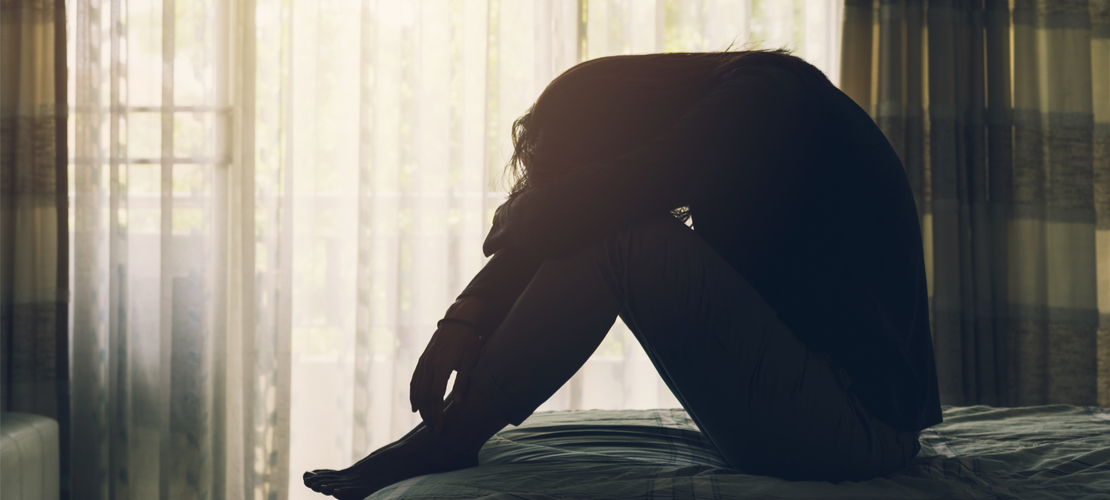
How can clinophilia be characterised?
This disorder is marked by an unwillingness to get out of bed. Not because of excessive tiredness, but rather out of a need to stay in a place that feels safe. The clinophile stays in bed, but without sleeping, reading and so on. In this respect, clinophilia must be distinguished from dysania, which involves difficulty getting up each morning, and from hypersomnia, which brings an urge to sleep a great deal.
It is a desire to withdraw into oneself that also shows itself in a lack of plans. The patient generally no longer feels like doing anything. Neither going out nor seeing people. As in the case of schizophrenia. This behaviour points to the need for treatment. Not for clinophilia itself, but for the possible underlying condition. Very often depression, but also burn-out.
Who is most at risk?
While this symptom can affect anyone, it concerns two groups of people in particular. On the one hand, women over 40, who are prone to hormonal upheavals, and on the other, older people. If you have an elderly relative who has recently suffered a sudden shock or who reacts badly to loneliness, clinophilia must be taken seriously. It is often a stage in a disorder known as 'failure to thrive' syndrome, in which the person simply lets themselves die, in more than 80% of cases.
Physical and psychological consequences
Spending your days in bed has harmful effects that should not be overlooked. Such as muscle wasting that may be more or less rapid, pressure sores and ulcers. But also the development of bowel problems, such as constipation. On the psychological level, a patient can quickly lose all contact with the outside world and begin a reclusive life. Without treatment, clinophilia can then lead to genuine social phobias, with a panic-stricken fear of leaving the house.
What treatment should be considered?
Clinophilia cannot be cured on its own. It is very often only a sign of another, more serious mental illness, which frequently requires consulting a specialist. This is because clinophilia is often associated with depression. Fortunately, the doctor can make the medical diagnosis easily. Treatment will often consist of antidepressants combined with cognitive behavioural therapy (CBT), designed to help the patient realise how important it is to rebuild their social network.
 Health
 Travel
 Beauty