
Breathe better, feel better: master your breath for greater wellbeing
Translated from French. Original title: “Améliorez votre bien-être par la maîtrise de votre respiration”
The journey of oxygen
Breathing refers both to gas exchange (the result of inhaling and exhaling air) and to cellular respiration, which allows us to produce energy. This fundamental process lets us take in the oxygen (O2) essential to life and expel carbon dioxide (CO2), a waste product of our metabolic activity.
Three fundamental pillars underpin the way we breathe. Do we breathe through the nose or through the mouth? This influences the biochemistry of the blood. Is our breathing fast, slow, deep or shallow? These factors make up the biomechanics of breathing. How many times do we breathe per minute? That is the rate.
The benefits of conscious breathing
Breathing is not merely an instinctive act that is vital to the functioning of our body; it is a gateway to better health and greater peace of mind. Conscious breathing, practised through a variety of techniques, can have profound effects:
Improved oxygenation: deep, rhythmic breathing increases the supply of oxygen, boosting vitality and physical performance.
Reduced stress: by slowing and deepening our breathing, we can activate the parasympathetic nervous system, inducing a state of calm.
Stronger immunity: certain breathing methods stimulate the production of immune cells, making us less prone to illness.
Increased longevity: breathing has a positive influence on biochemical processes and reduces oxidative stress factors, contributing to a longer, healthier life.
Exploring the methods: from Wim Hof to Cardiac Coherence
Among the best-known techniques, the Wim Hof method stands out for its simplicity and immediate effectiveness. By combining controlled breathing with exposure to cold, it stimulates the immune system and increases resilience to stress. Other practices, such as cardiac coherence, promote a balance between the sympathetic and parasympathetic nervous systems, thereby improving stress management and cardiovascular health.
Steps towards better breathing
Here are a few steps to help you improve your breathing practice:
Awareness: begin by observing your breathing through the three pillars. This awareness is the first step towards change.
Practice: build breathing exercises into your daily routine.
Consistency: the key is regularity. Breathing, like any other aspect of our health, benefits from constant practice.
Adaptation: adjust your breathing to the needs of your body and mind. Use energising techniques in the morning and soothing practices in the evening.
By recognising the power of breathing and relearning how to use this natural gift, we can significantly improve our quality of life. Breathing is more than a biological mechanism; it is a kind of alchemy that turns oxygen into energy and stress into serenity.
© Aspria
At Aspria
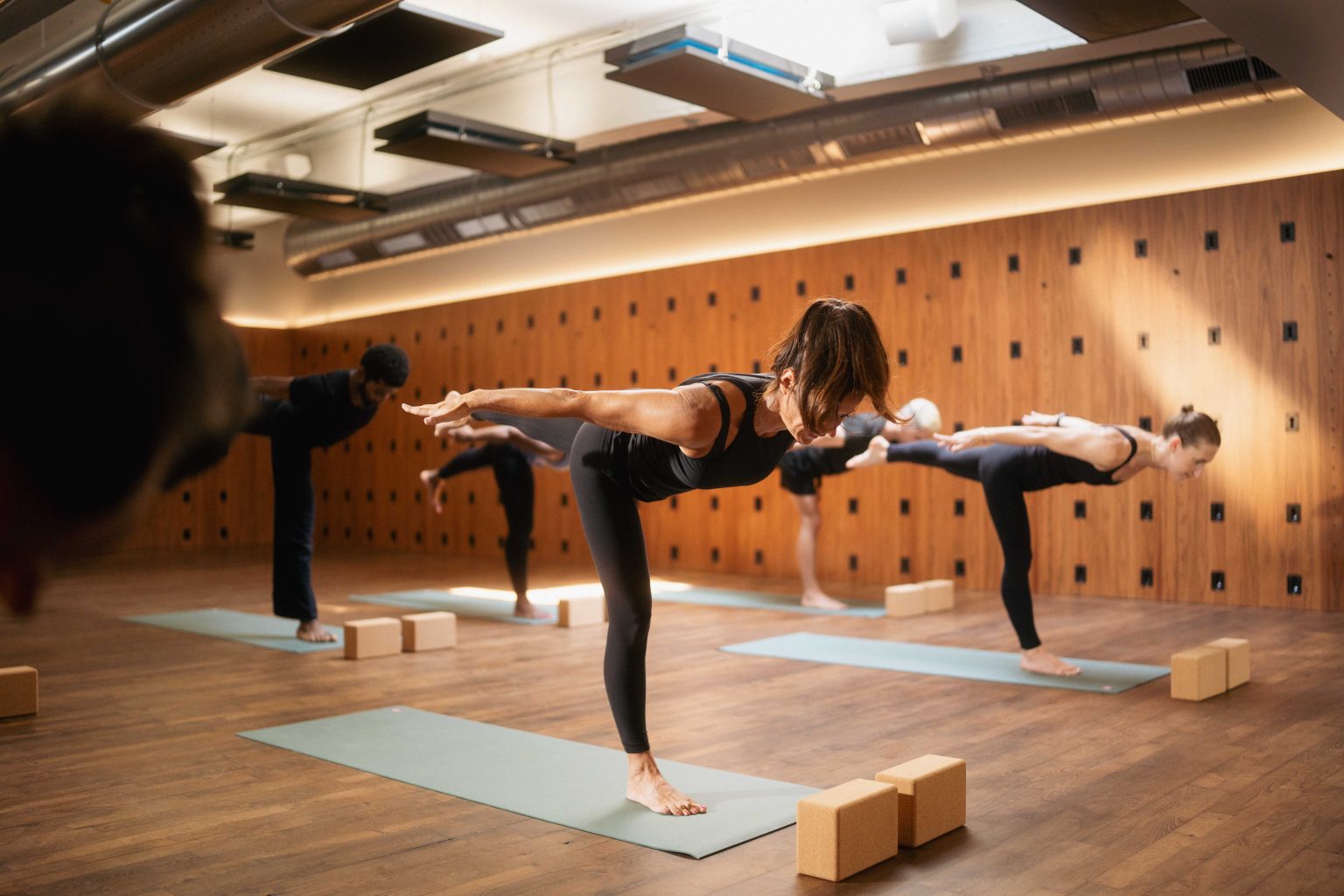
If you would like support on your journey towards conscious breathing, experts can guide you through Personal Training sessions or group classes built around these breathing methods: Hypopressive Abs, Yoga, Pilates, BodyART, Meditation, Meditative Apnoea or Qi Gong. Group classes are included in your membership of the Aspria Royal La Rasante club.
For a more advanced breathing practice, including immersion in an ice bath, you will also be able to enjoy dedicated Personal Training sessions, workshops and group classes from May.
www.aspria.com
Would you like to receive the latest Fifty & Me news in your inbox? Then sign up to the newsletter.
 Health
 Travel
 Beauty