
Body shaming: how to fight back
For a woman, being on the receiving end of criticism about her appearance is all too common on social media. This stigmatisation has a name: body shaming. What are the right reflexes when it happens to you? We explain.
Translated from French. Original title: “Réagir face au body shaming”
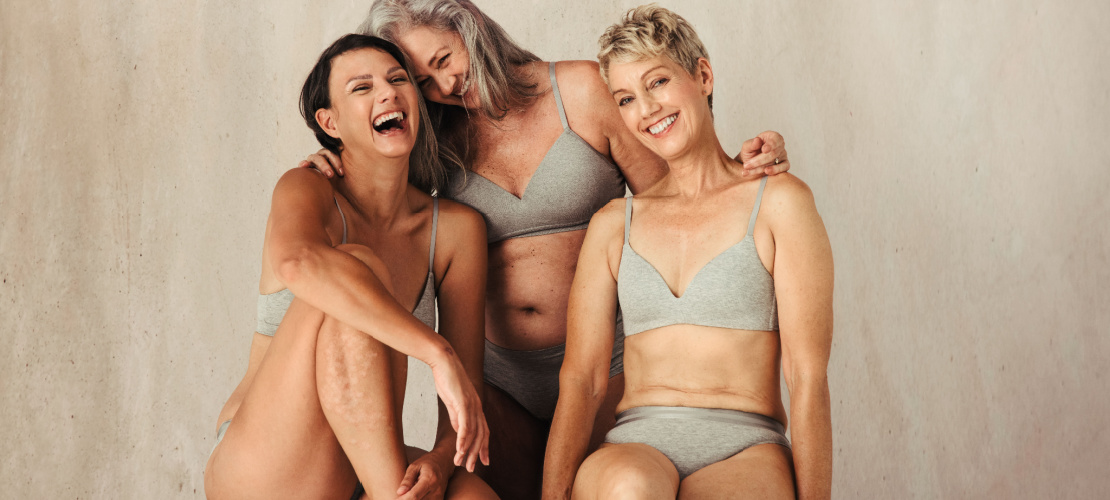
Body shaming: what exactly is it?
Behind the term body shaming, or shame about one's body, lies a phenomenon that has found fertile ground on social media: humiliating, repeated criticism of a person's looks, with weight as the yardstick. These are violent attacks carried out by internet users hiding behind anonymity. It is a form of harassment said to affect some 30% of women, and one that is also experienced in private life and in the workplace. While it is certainly no consolation to the victims, body shaming does not spare the stars, who are also watched and criticised constantly. Think of Louane, Selena Gomez, Amel Bent, Adele or even Céline Dion, who has lost weight because of her illness. Although this phenomenon mainly targets women, men are not spared either. Take the actor Chris Pratt (Jurassic World), judged far too thin by the media after following a diet.
Harmful effects not to be underestimated
To some, body shaming may seem trivial, a minor problem. It is nothing of the sort. "This form of violence certainly plays a part in the loss of self-confidence that some women feel. Some of them are already struggling with the consequences of a menopause that brings plenty of negative effects. Body shaming can profoundly and lastingly damage the image we have of our own bodies. A negative relationship with the body has many ramifications," explains Sophie Renoir, life coach. These cruel, repeated criticisms can indeed lead to blockages, sexual ones in particular, or to damaging behaviours such as bulimia or anorexia. These are very unhealthy ways of responding to criticism about one's looks.
How to free yourself from body shaming
Faced with this harassment, some women put their heads down and take it without reacting. Others limit their exposure on social media by no longer posting personal photos. But while social media can bring out the worst in human behaviour, it can also bring out the best. Take the body positive movement, which was also born in the United States. It is the exact opposite of body shaming. This movement encourages women, whether they have been harassed or not, to love their bodies and their curves, regardless of other people's opinions, and to be far more forgiving of the diktats imposed online. Every body, female or male, is different, and accepting that is a richness to be shared. That is what the TV presenter Flavie Flament did when she proudly posted a photo of her bottom on Instagram ("cheerful buttocks, buttocks full of life") in response to the body shaming she had suffered at the hands of boors. Without going to quite that extreme, "responding by accepting your body, perhaps marked by age, is the best defence you can adopt," concludes Sophie Renoir.
Photo Shutterstock.
 Health
 Travel
 Beauty