
Afraid of the dark? You're not alone
No, it isn't only children or Claude François (Je n'y peux rien, j'ai peur de la nuit – "I can't help it, I'm afraid of the night" – from Mais quand le matin) who are afraid of the night. Fear of the dark (or nyctophobia) still affects many adults, including those in their fifties. It is a disorder that can, happily, be reduced with the help of certain therapies.
Translated from French. Original title: “Souffrez-vous de nyctophobie ?”
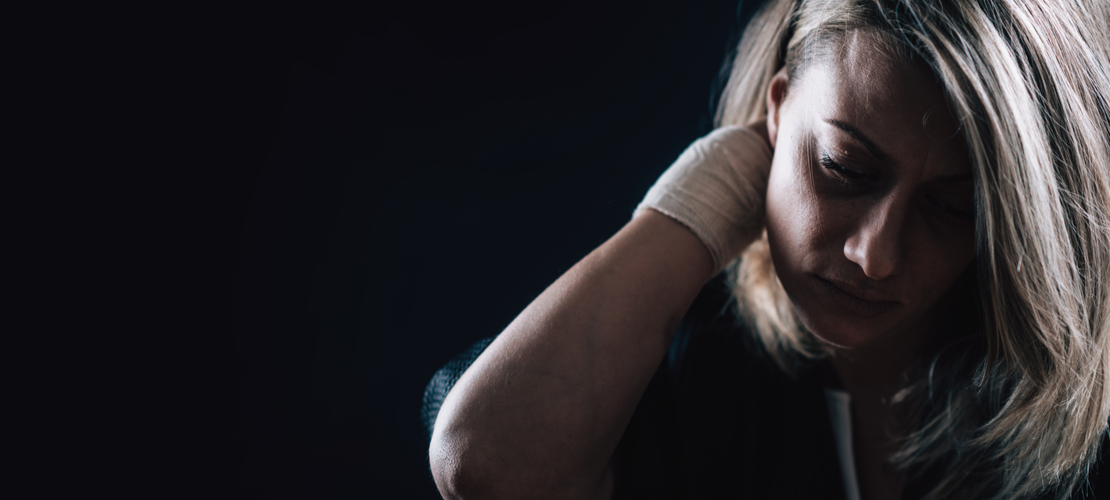
Nyctophobia: what is it?
Nyctophobia, from the Greek "nyctos" (night) and "phobos" (fear), is defined as an irrational fear of the night and of the darkness that comes with it. It is a fear of the dark and of the potential dangers that might be hiding in it (an attack, the appearance of ghosts…). This phobia generally affects children, but also some adults, although it is impossible to put a figure on the proportion of people affected, as many are afraid to admit to it. As for the causes, none stands out above the others, leaving an element of mystery around this fear of the dark, which may stem from a recent event or may have been present since early childhood.
"The dark, my greatest dread"
What better way to bring this disorder to life than through the testimony of someone who suffers from it? It is a phobia that may raise a smile, yet its effects are very real. Claudine, 57, who posts on a specialist forum, can vouch for that: "This phobia began in childhood, when my brothers used to lock me in the cellar for fun. A game, admittedly, but it gave rise to a terror of the dark in me. And, sadly, it is still with me today. At night, I have to sleep with a night light or open my curtains a little. I am terrified of having to face a power cut, at home or at work. At the cinema, I always sit near the little lights on the steps. On holiday, I can't go into a cave with my children – it's simply impossible for me."
What are the symptoms of nyctophobia?
This disorder can express itself through several signs, whose intensity varies from person to person.
- An increased heart rate
- Paralysing anxiety and panic attacks
- Nausea
- Severe trembling
- Sleep disturbances
- Avoidance of all nocturnal situations or activities
- High stress at bedtime
How can this phobia be treated?
The good news is that nyctophobia can be treated with therapies that help, if not to cure it, then at least to reduce its intensity and its consequences, particularly on anxiety and sleep. One option is cognitive behavioural therapy (CBT), undertaken with a specialist and aimed at tackling the causes of the nyctophobia.
Another possibility is so-called exposure therapy, during which the person is exposed to progressively longer periods of darkness, so as to gradually reduce the anxiety linked to the dark.
As for medication, it can only help to reduce anxiety or aid sleep, notably with anxiolytics prescribed for a limited period. It is a solution that treats only the effects.
 Health
 Travel
 Beauty