
What is home automation and how does it work?
Home automation is a set of techniques and technologies designed to improve comfort, security and energy efficiency in the home. To understand better what home automation is and how it works, it helps to look at its basic principles, its components and its various applications.
Translated from French. Original title: “Qu’est ce que la domotique et comment ça marche ?”
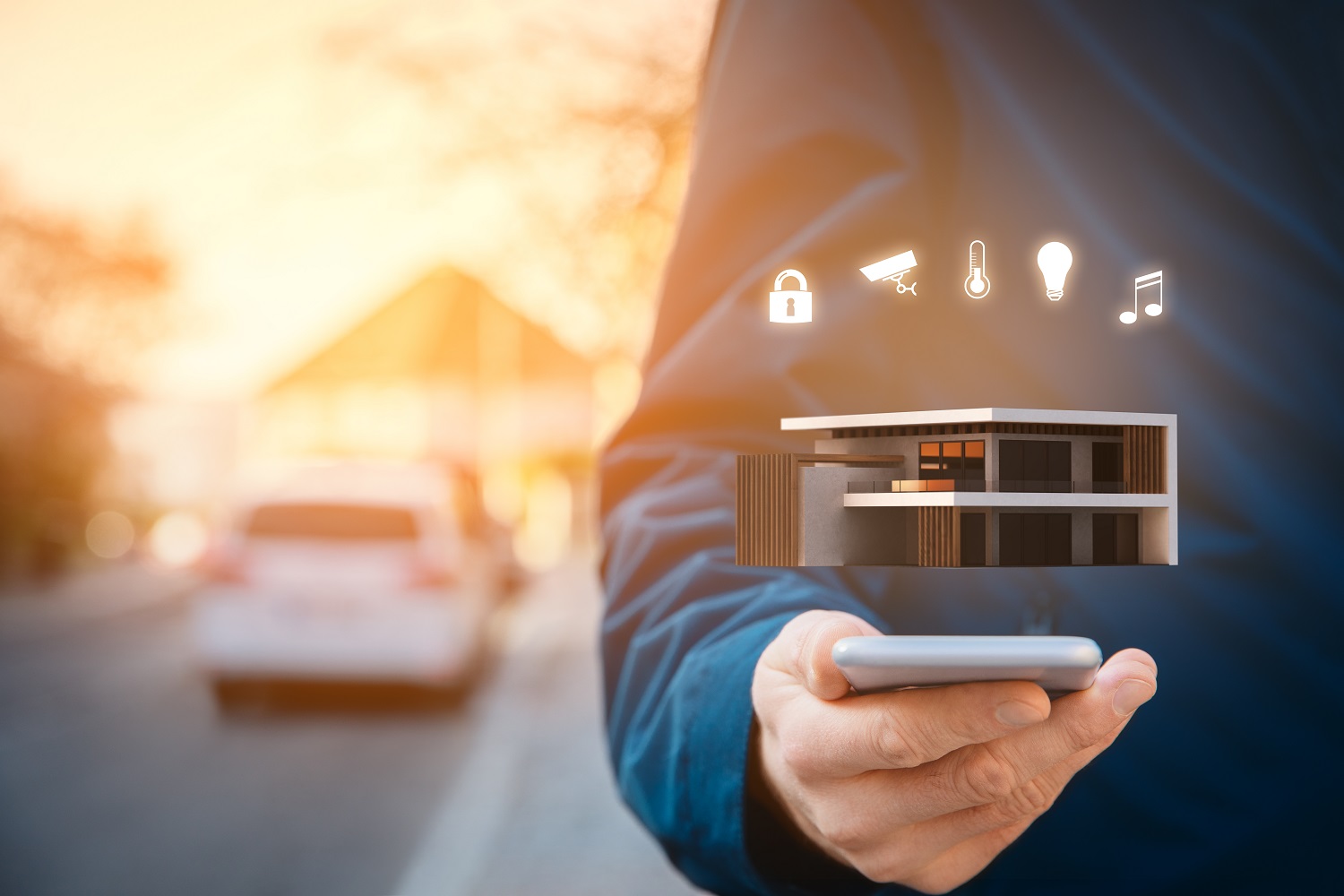
The principle of home automation: automating living spaces
The fundamental idea behind home automation is to make it easier to control and manage the various systems found in a home or workplace. Electrical, heating, air-conditioning, security and communication equipment are automated so that they work in a coordinated way and meet the specific needs of the occupants. Home automation therefore aims to simplify everyday life by streamlining and optimising the use of available resources.
An adaptive and customisable response
Home automation solutions take several criteria into account to decide what action should be carried out in a given set of circumstances. These include temperature, humidity, daylight and human presence. Depending on the settings predefined by the users and the contextual information gathered, the system automatically adjusts the connected devices to achieve the desired conditions. For example, it is possible to adjust the brightness of rooms according to whether anyone is in them and how bright it is outside.
The basic components of a home automation system
A home automation system relies on a number of elements to coordinate actions and ensure effective communication between the devices it integrates. These components fall into several main categories:
- Sensors: these devices collect data about the environment or the equipment. They measure temperature, humidity, brightness and noise levels, or detect the presence of occupants.
- Actuators: they carry out a concrete action in response to the information received. Actuators can be switches, buttons, motors or valves that act on equipment (lighting, heating, opening shutters and so on).
- Controllers: these modules are responsible for managing the system and coordinating its various components. They analyse the data supplied by the sensors, decide which actions to take and command the actuators.
- Control interfaces: they allow users to programme and operate the home automation system and to view information about it. These may be remote controls, digital keypads, touchscreens or platforms accessible via a computer, tablet or smartphone.
The different types of home automation applications
Home automation can be used in many areas to improve everyday life for the occupants of a home or workplace. Here are some of the main possible applications:
Managing energy and resources
Home automation makes it possible to control and rationalise energy consumption by adjusting the temperature, lighting and electrical appliances to how the spaces are actually used. For example, you can programme the heating to run only at certain times of day, or even only when someone is detected in the room.
Security and protection of property
A home automation system can help strengthen security through a range of devices: access control, burglar alarms, and detection of gas leaks, fires and floods. Alerts can be sent straight to the occupants as a notification on their phone, or passed on to a remote monitoring centre.
Communication and entertainment
Home automation also covers multimedia and communication between occupants and their surroundings. This includes sharing audio-visual content between different rooms, as well as intercoms, handling incoming calls and broadcasting announcements around the home.
Personal assistance and support
Finally, home automation can play a key role in the daily lives of elderly or disabled people, or those who depend on others for care. It offers ways to make everyday activities easier (automatically opening shutters or doors, setting the heating to individual preferences and so on) and to enhance their safety through monitoring, alert and communication systems linking them with loved ones or home-care services.
Home automation is therefore a vast field that spans many aspects of our everyday surroundings and meets the varied needs of occupants. Thanks to its principle of automation and its range of components, it makes it possible to create intelligent, adaptive living spaces that improve our comfort and security and help conserve energy resources.
Photo Shutterstock.
 Beauty
 Beauty
 People