
Isabelle Bary: 'Fifty is not a twilight… it's a second spring'
At 50, life changes pace. The children leave home, parents grow older, careers shift. The body evolves, and so does the reflection in the mirror. Many women approach this passage with apprehension; others see it as a chance for rebirth. Isabelle Bary has turned it into a novel and a philosophy.
Translated from French. Original title: “Isabelle Bary : « La cinquantaine n’est pas un crépuscule… c’est un second printemps »”
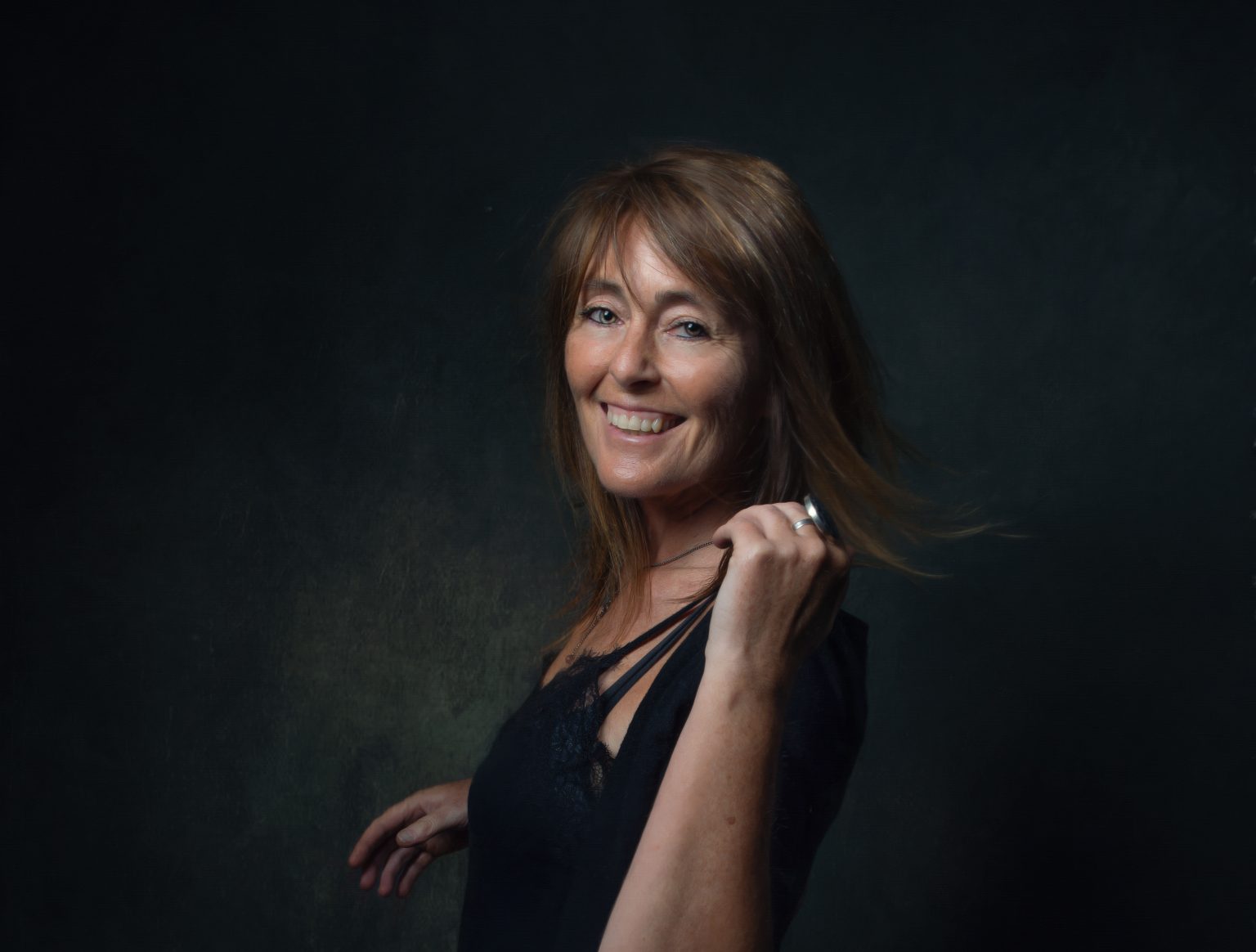
What, in your view, are the great challenges – and the great riches – of this stage of life?
Fifty is a bit like the new forty… with the menopause thrown in! (smiles). Some women sail through it, but many tell me: "I wasn't expecting this." Because we aren't prepared for it. The hot flushes, the melancholy, the fatigue, the physical changes… it all arrives without warning.
And then there's the weight of society. Creams are no longer called "beauty" creams but "anti-ageing", as if growing older were a fault. One day, at the chemist's, you're handed an anti-wrinkle cream rather than a simple moisturiser, and suddenly you realise: "Ah… something has changed." Everything is designed to remind us that we're getting older. It's insidious, almost perverse.
But I truly believe that fifty can be a wonderful age. It's the time when you sort things out, when you dare to say no, when you choose your relationships more wisely. You tell yourself you have no time to waste. And that sense of urgency becomes an incredible freedom. That's why I talk about a "second spring": we bloom again, but differently.
Fifty is often described as a crisis. You describe it more as a metamorphosis. How did you experience it yourself?
In my head, I'm still thirty! (laughs). But the hormonal metamorphosis was brutal. I went through pain, low moods, hot flushes. And everything happened at once: my body changing, the children flying the nest, my parents gradually growing frailer. It was as if all the waves had arrived together.
But I realised that I had to get through this stage gently. I asked myself: "What still makes sense for me?" And I chose to focus only on that. At 50, you no longer want to waste your energy. You cut out what is pointless and nurture what makes you feel alive. That realisation gave me immense freedom… and a new joy.
Your journey shows that you can change direction at any moment. You didn't become a writer overnight…
I grew up with very young parents who worked hard while also going back to evening classes. They always told me: "Get an education, it's even harder for a woman."
I was a true literary soul. I would have loved to study psychology or Romance languages. But I followed their advice: I chose the broadest path, commercial engineering at Solvay. I had to work like mad – maths and physics were never my strong suit – but I learned one thing: with determination, anything is possible.
After that, I worked in an advertising agency, then co-founded an events company. From the outside, everything was fine, but deep down I wasn't in the right place. What I really loved was writing.
The turning point came with my first pregnancy. I closed my company and went back to my travel notebooks – I had travelled around the world with a backpack with my partner – and rewrote them years later, filling in passages I no longer remembered. As a funny aside: my husband wondered whether we had been on the same trip (smiles)! It became my first novel, published by a small French publishing house. I discovered the power of fiction: you don't talk about yourself, but you touch on something universal.
From then on, everything changed. I wrote one book after another and began running writing workshops, at first as a volunteer for women with cancer. And I understood that writing was not only a passion but a way of living.
Is writing also a tool for resilience in the face of life's upheavals as we age?
Writing means stepping into someone else's skin. To bring a character to life, you have to give them wounds and trials. It opens up an immense empathy and helps you weather your own storms.
And then, writing or getting others to write is a release. In my workshops, there are always two things: chocolate and tissues. The chocolate for comfort. The tissues because there's always a moment when emotion spills over. Writing lets you set down what weighs on you and turn it into something alive.
There's what I call "vomit writing": writing to empty yourself, sometimes burning the pages afterwards, but having let it all out. And then there's creative writing, which uplifts. Participants leave feeling lighter, surprised at themselves. I think that's the magic: discovering that you are stronger than you thought.
What do women come looking for in your workshops?
No one comes by chance. Some want to write a book. Others think: "It'll do me good." But behind it there is always an intimate quest. A workshop is a bubble, an official appointment with yourself. And that changes everything. Many participants tell me: "This is my moment, my breathing space."
At first, some don't dare read their texts aloud. And then, over the months, they take the plunge, they discover themselves, they applaud one another. It's moving to watch them grow through their words. I've seen women regain confidence, take up projects again, even transform their lives after a workshop. Writing gives them back a voice, and sometimes even wings.
Your new novel, Le Second printemps, tells precisely this story of rebirth. Who is your heroine?
Adèle seems to have it all: a husband, children, a job she loves. But one day, everything collapses. Her children leave the nest, her mother declines, she loses her job. She feels she is becoming invisible. So, on a whim, she boards a plane alone – an ordinary gesture, but a founding one. It marks the beginning of an initiatory journey along the Camino de Santiago.
Why Santiago de Compostela?
Because no one sets out on that path by chance. You walk at your own pace, you meet strangers with whom you share moments of rare intensity, then each person goes their own way. That is exactly the passage of one's fifties: moving forward at your own pace, breathing, shedding what weighs you down. It's a magnificent metaphor for life.
On her journey, Adèle meets other seekers of meaning… an 80-year-old feminist hiding a secret, a young woman searching for her identity, a man walking to come to terms with a bereavement, another seeking peace with his past. Each carries their own wounds, but together they form a kind of discreet chorus that accompanies Adèle towards herself.
What I wanted to show is that at 50 you can feel as though you are fading away… but that sometimes a small gesture, a burst of energy, is all it takes to reopen every door. That's what the second spring is: a new flowering, unexpected but splendid.
If you could whisper a word in the ear of a woman who feels lost at 50, what would you say?
That it's never too late. You don't have to drop everything to reinvent yourself. You can begin with small steps, give yourself time, allow yourself a space that is yours alone. At 50, you have experience, maturity and, more than ever, the right to choose what does you good.
Le Second printemps, Isabelle Bary, 180° éditions, 358 pages, 20 €
 Health
 Travel
 Beauty