
Tapioca: the essential good guy
Tapioca. It is not only the name of a dictator in the adventures of Tintin, but also a starchy staple with plenty to offer for good health. A must-have in the kitchen, thanks to its Swiss-army-knife versatility. But what exactly is it?
Translated from French. Original title: “Le tapioca, l’indispensable bienfaiteur”
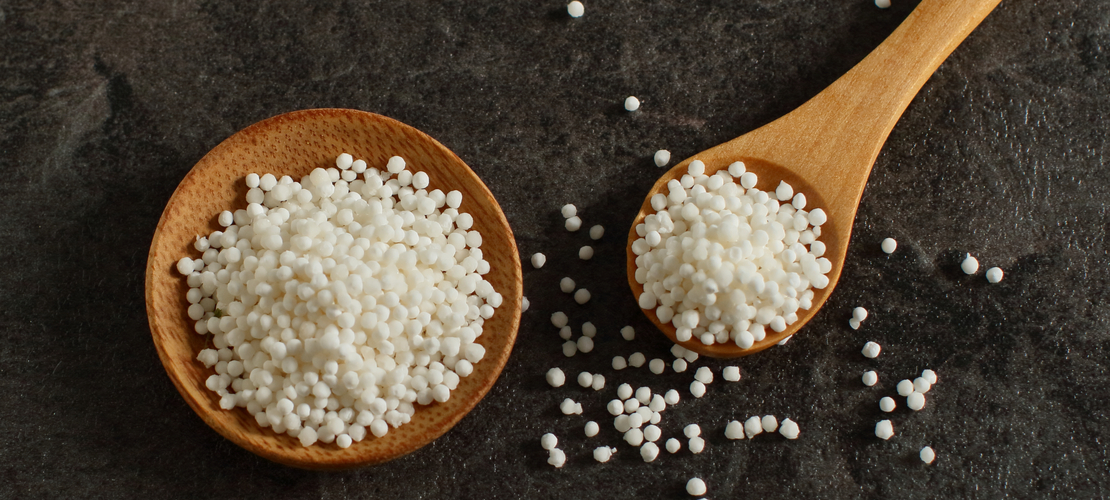
Tapioca, a touch of the exotic in the kitchen
Originally from South America, tapioca, also known as pearls of Japan, is a starch made from bitter cassava, which is ground into powder and then dried. For anyone who has never opened a packet of tapioca, it comes in the form of small white beads of around 3mm, which turn transparent when cooked. It keeps very well for a few months, as long as it is protected from damp. Ideally, store it in an airtight container.
A wealth of benefits
- High in fibre, ensuring excellent intestinal transit. An ideal remedy for constipation.
- Rich in starch (95%), making it an important source of energy for sportspeople.
- Quickly makes you feel full. Perfect to include in a slimming diet.
- An excellent source of iron to help ward off anaemia.
- Easy to digest.
- Does not cause allergies.
- Low in fat.
- Very cheap (around 1 euro for 250 g).
How should you prepare it?
Tapioca has a neutral flavour, which makes it perfect for both sweet and savoury dishes. It is usually used to thicken a sauce or soup. But it is also very handy as an alternative to traditional wheat flour, and even more so for people with a gluten allergy, as tapioca contains no gluten. It can also replace rice. It is cooked in the same way, in water or milk for around 7 minutes. It is ready when the white colour turns transparent. Be careful not to exceed the quantity recommended in the recipe, as tapioca beads swell during cooking. In the mouth, tapioca can come as a surprise at first, with its rather unpleasant, gelatinous texture.
Tapioca can also be enjoyed in a drink, as in bubble tea, an iced tea of Chinese origin, also known as pearl tea. The recipe, available all over the web, calls for another variety of tapioca with larger beads, which is easy to find in the Asian aisles of supermarkets. A refreshing drink, perfect for summer.
A few drawbacks to watch out for
Tapioca is a starch, so it should be eaten in moderation if you want to keep your figure. It is fairly high in calories, at around 350 calories per 100 g. It also has a high glycaemic index, above 85. It should therefore be eaten in moderation, and even more so by people with diabetes or who are overweight. Finally, while the health benefits are real, tapioca is not a miracle food. It needs to be part of a varied and balanced diet.
It is also important to buy industrially produced tapioca, because its source, cassava, is itself highly toxic, as it contains cyanide.
 Health
 Travel
 Beauty