
Seaweed: the sea's secret superfood
For lovers of the coast, the smelly seaweed that washes up on the shore does not exactly make the mouth water, let alone inspire a daily habit. It is a prejudice that may well go out of the window once you see what seaweed does for the body's health. A miracle food with many facets.
Translated from French. Original title: “Et si on découvrait les bienfaits des algues ?”
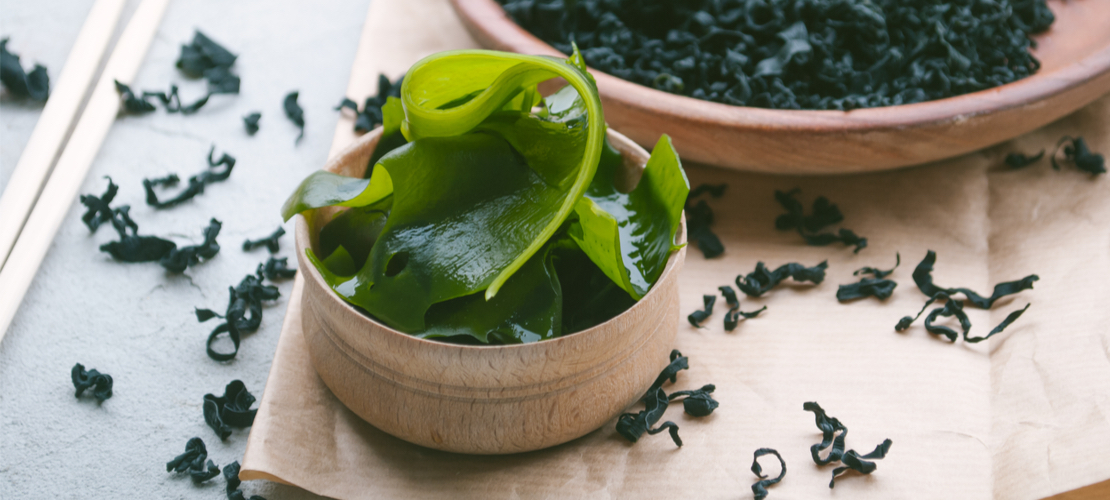
Which types of seaweed should you choose?
First of all, forget the idea of gathering seaweed that has washed up on beaches. It is polluted by the heavy metals it has absorbed. For fresh seaweed, head to organic shops and supermarket organic aisles. The second part of the answer depends on the qualities you are looking for in seaweed. To benefit from its iodine content, opt for brown seaweed. If you are after protein, red seaweed is a good choice. Thanks to their nutritional value, green seaweeds help to fight ageing, stimulate your immune defences and act as a cholesterol regulator. A best buy.
The benefits of seaweed
Often described as a superfood, seaweed acts on both physical and mental health:
- Nutritional richness (magnesium, iodine, copper, zinc, manganese, vitamins)
- An excellent anti-fatigue food, thanks to its high concentration of magnesium (between 1,200 and 2,700 mg per 100 g)
- Plenty of protein (ideal in a vegetarian diet)
- Low in calories (45 kcal per 100 g)
- Low in unsaturated fats
- Support for the cardiovascular system thanks to the presence of omega-3 (EPA and DHA)
- An excellent source of antioxidants (including fucoidan), to slow cellular ageing and stimulate the immune system
- A powerful mood booster thanks to a significant quantity of carotenoids (kombu and nori seaweed)
- Regulation of cholesterol levels
How should you prepare seaweed?
Before serving it as raw vegetables to family and friends who may be wary of new foods, it can be wise to start with seaweed sold as flakes or as a tartare. Seaweed is also available dried or fresh. In the latter case, it is recommended to rinse it several times before eating, to remove its salty taste.
With its milder, more neutral flavour, wakame is a good starting point for anyone who wants to try seaweed without being put off by its strong iodine smell. It can be eaten cooked or raw, tossed into a green salad or used as an ingredient in a soup.
Few contraindications
For seaweed eaten fresh, there is just one drawback to point out: its high iodine content. This makes it inadvisable for women who suffer from hyperthyroidism, heart failure or kidney problems. For the general public, eating seaweed is risk-free, provided you stay within moderation. Overdoing it can have a harmful effect on the heart, kidneys and thyroid, because of the high percentage of iodine and sodium. A consumption of 600 micrograms a day is the recommended maximum (source: EFSA). Before eating seaweed, medical advice can be useful to identify any potential risk.
 Health
 Travel
 Beauty