
Our tips for a healthier barbecue
After a long, rainy spring, barbecue season is in full swing. Merguez, kebabs and grilled sausages are all on the menu. Without denying the pleasure of the occasion, a few tricks can make it less harmful to your health.
Translated from French. Original title: “Nos conseils pour un barbecue plus sain”
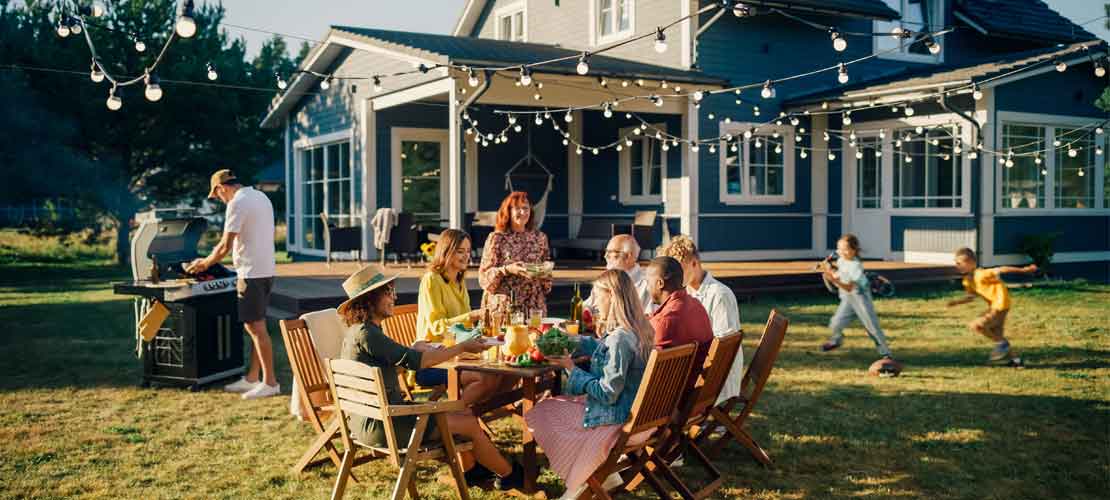
Which meats should you choose for the barbecue?
While a few merguez and other similar preparations add to the pleasure of a barbecue, the choice of meat is crucial. The basic principle is to combine white meat (chicken, turkey…) with red (beef, lamb). And, if possible, to marinate it, to limit the production of harmful substances during cooking. Lean or trimmed meats are ideal. The trick is to lightly pre-cook the meat in a frying pan so that its time on the barbecue is as short as possible, and always done at the end.
Let's not forget fish
A barbecue is also perfect for cooking fish (firm-fleshed): tuna, mackerel, sea bream or sardines, served with spices and vegetables. A practical choice, as they cook quickly. With a more generous budget, grilling shellfish can be worth considering. Lobster, king prawns or langoustines are perfectly suited to the barbecue. A real treat.
These alternatives for a vegan BBQ
Fruit and vegetables placed on the grill are also a good choice, perfect if a guest doesn't eat meat. Sliced tomatoes, but also mushrooms, asparagus, aubergines (salted and left to drain for 1 hour) and peppers. Or potatoes, cauliflower, and slices of apple or apricot. These vegetables can also be served as refreshing side dishes.
Lighting the fire and getting the cooking right every time
When lighting the barbecue, firelighters, gels or liquids must be completely burnt off before any food is cooked. As for charcoal, preference should be given to refined charcoal from sustainably managed sources (FSC and PEFC labels). Softwood is best for quick cooking, while hardwood, which burns more slowly, is reserved for longer cooking times (for large cuts of meat).
The cooking grill should be placed roughly 20 to 40 cm above the embers, so that food cooks in their heat (around 200°C) rather than in the flames (500°C). The trick is to place food on the least hot part of the grill to ensure even cooking, both on the surface and inside.
The essential upkeep of your barbecue
A healthier barbecue means looking after your equipment properly. Cleaning should be done promptly. Otherwise, dried-on grease and food residue can be difficult to remove and may burn again at the next barbecue, releasing carcinogenic substances such as lipid peroxides, acrylamide or benzopyrene.
For most barbecues, which generally run on charcoal, the priority is cleaning the grill. It is easier to do while it is still hot. With a little elbow grease and a good steel brush, the residue will come off easily. This is a task to repeat after every use of the barbecue. A thorough clean should be carried out at the end of the season, with the metal parts greased.
Photo Shutterstock.
 Health
 Travel
 Beauty