
Fleur de sel: the jewel of the Breton marshes
An exceptional product, fleur de sel deserves a place in your kitchen to elevate a festive dish. Flavoursome and beneficial to health, it should nonetheless be eaten in moderation. After all, it is still salt.
Translated from French. Original title: “Découvrir les atouts de la fleur de sel”
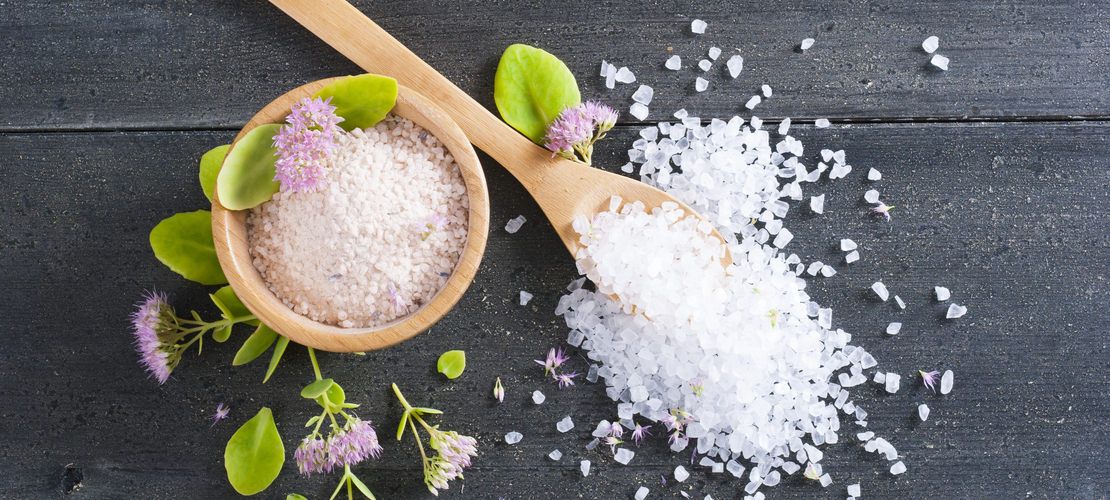
A natural gem
It is impossible to spend a holiday in Brittany without bringing home one of the region's treasures: fleur de sel. It is formed by the crystallisation of the salt found on the surface of the many salt pans dotted across the landscape, on the Guérande peninsula as well as on the islands of Ré and Noirmoutier. These very fine, exceptionally pure crystals form in dry, hot, windy weather. A treasure harvested from spring to autumn by sauniers or paludiers (salt workers, and often women, editor's note). The work demands both strength and precision: every day, the fleur de sel is gathered with a tool called a lousse, a kind of rake, drawn across the surface of the pans.
What are the benefits of fleur de sel?
It contains less sodium chloride (94%) than traditional salt, which is a plus when it comes to combating obesity and the risk of cardiovascular disease.
It contains trace elements (6%, against 1% for refined salt) such as iron, zinc and manganese. Fleur de sel also contains calcium, magnesium and mineral salts, as well as iodine, which is essential for the proper functioning of the thyroid. All of these, however, are present in quantities too small to meet daily requirements.
It is a natural product, with no refining and no additives.
It also makes an excellent exfoliating treatment for the skin. Mix one tablespoon of fleur de sel with a glass of sweet almond oil to make a smooth paste, then apply it to the body.
How to use it in the kitchen
Besides its delicate flavour, fleur de sel has the advantage of dissolving quickly and seasoning food right through. It is best added in small amounts at the end of cooking, so as to keep its properties, which are lost when heated. It is perfect for seasoning vegetables, fish or cuts of meat. Try a pan-fried foie gras with a sprinkling of fleur de sel. Delicious.
Fleur de sel can also be added to certain desserts to bring a delicious salty note. It pairs beautifully with chocolate or caramel, for example. Pancakes with salted caramel butter will delight your children and grandchildren. If you like something a little different, why not try fleur de sel combined with lemon zest or saffron? These blends are designed to go with fish. For the more adventurous, there is also sel fou ("crazy salt"): fleur de sel from Guérande mixed with paprika, thyme and crushed pepper.
How to store fleur de sel
A luxury product, fleur de sel deserves care if it is to keep all its properties. In Brittany, it is stored in terracotta or stoneware pots. But whatever the container, the key is to keep the salt well away from moisture.
 Health
 Travel
 Beauty