
All the Benefits of Melon
In summer, you only have to walk past a fruit stall to be enveloped by the scent of melon. It is a byword for summer lunches and holiday memories, full of sunshine and excellent health properties. As a matter of fact, melon is a vegetable, not a fruit. It belongs to the gourd family (like courgettes or cucumbers).
Translated from French. Original title: “Tous les bienfaits du melon”
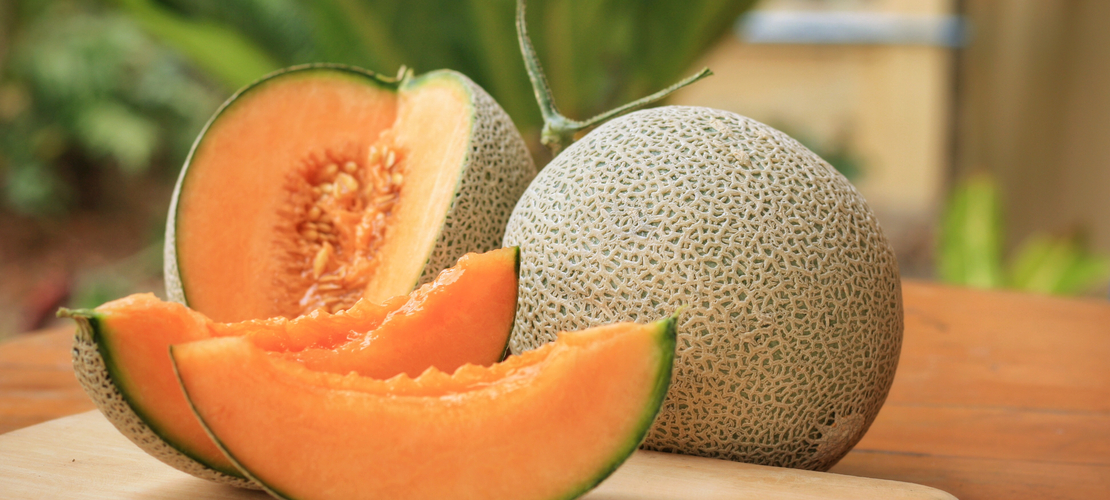
How to choose your melon
To make the most of the benefits of melon, a few tips will help you pick out the right one from the shelf. A melon that is too young will taste of beetroot or even turnip. The first sign that it is ripe: its stalk (the little stem on top) should come away easily or be missing altogether. Next, pick the melon up. It should feel heavy. If two melons are the same size, go for the heavier one. It is a guarantee of a very sweet flavour. Be careful not to choose a melon that is overripe, however. If it smells too strong, be wary. If it smells of nothing, it is even worse. Leave them on the shelf. One last useful tip is to choose a melon with well-defined stripes, a sign of ripeness.
5 benefits of melon
A thirst-quenching, low-calorie vegetable. Melon is 90% water and contains very few calories (34 kcal per 100 g). It is an ideal ally for keeping your figure or limiting weight gain. There is no risk of deficiency, thanks to its vitamins (B, C), fibre, potassium, iron, zinc, copper and manganese.
Anti-inflammatory effect. Melon is rich in beta-carotene, which helps protect the body against certain inflammations, such as inflammatory arthritis.
Reduced water retention. Thanks to its mineral salts, calcium and potassium, this water-rich fruit has a diuretic effect that helps flush excess water and toxins out of the body.
Probable reduction in cancer risk. Several studies reach the same conclusion about the beneficial effects of eating melon in reducing the risk of certain cancers (throat, mouth, oesophagus, lungs). This benefit is linked to the presence of carotenoids.
Antioxidant virtues. Thanks to its richness in vitamin C and beta-carotene, melon has a protective effect against skin ageing. Beta-carotene also strengthens vision and protects the retina. As a precursor of vitamin A, the beta-carotene in melon also helps strengthen the immune system and fight the harmful effects of the sun. For the maximum antioxidant effect, the so-called oriental melon is recommended.
Few contraindications
This is a vegetable that does not pose any major health problems when eaten. There is a (very rare) risk of allergy with certain melons eaten when overripe and carrying ethanol, an allergenic substance. For diabetics, melon is not off limits despite its glycaemic index of 67. Its glycaemic load is in fact only 5.3. As for when to eat it, it is best enjoyed as an aperitif or starter rather than as a dessert, when it can be hard to digest and cause bloating.
You might also like: How to store your fruit and vegetables properly
 Health
 Travel
 Beauty