
A family day out at the Abbey of the Dunes
Translated from French. Original title: “Sortie en famille à l’Abbaye des Dunes”
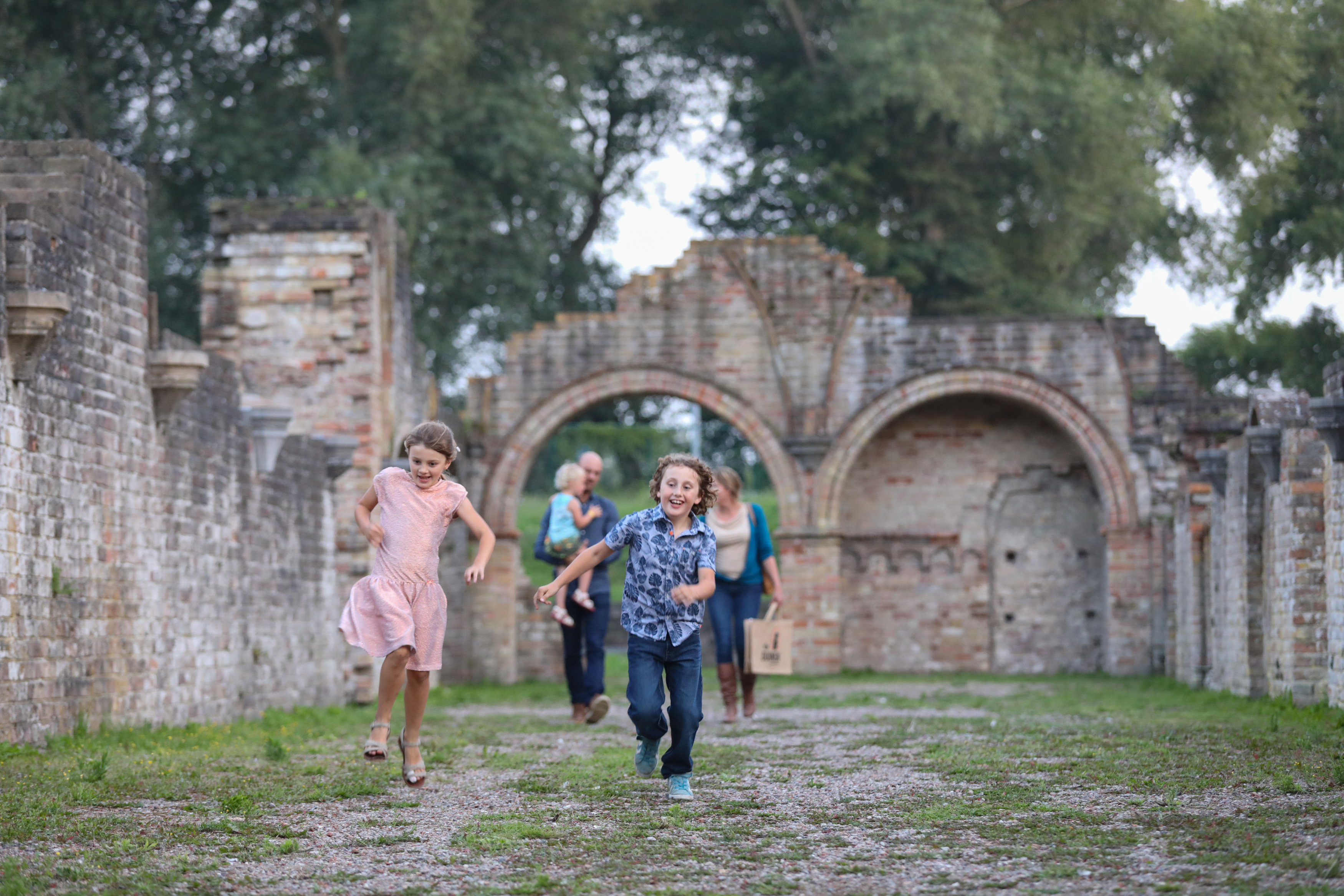
A vast abbey in the heart of the dunes
Picture the scene: it is the 12th century. Between Furnes and the sea stretches a landscape of wild dunes, swept by the wind and battered by storms. It was here that the hermit Ligerius chose to lead a simple life, close to nature. Little by little, others joined him and a religious community grew up. It would give rise to the Abbey of the Dunes, destined to become one of the most important Cistercian abbeys in Flanders. For more than 700 years, this community left its mark on the history and landscape of the region. But how do you build and sustain such a major abbey in an environment dominated by sand, wind, salt water and the whims of the sea? That is precisely one of the stories the exhibition tells.
When the sea becomes an ally
Although living so close to the sea made daily life more difficult, the monks gradually learned to make the most of it. First and foremost, the sea was a precious source of food. Fish, oysters, cockles and other seafood regularly found their way onto the monastery's menu. It was also a gateway to the wider world. Sea routes made it possible to forge links with other coastal regions and encouraged trade and exchange. The abbey even had its own fleet and maintained relations with the English Cinque Ports, among others. These exchanges contributed to the wealth and influence of the Abbey of the Dunes.
Fish, shells and… a dolphin
Centuries later, traces of this close relationship with the sea are still visible. The exhibition invites young and old alike to go in search of them among the objects and remains on display. Visitors can spot tiles decorated with fish, shells embedded in bricks and various objects relating to the maritime world. Here is a particularly fun detail to look out for with children: there is even a dolphin on the abbey's emblem! The sea did not simply influence what the monks ate. It left its mark on the architecture, the objects, the art and even the very identity of the abbey.
An exhibition designed for families
To bring this medieval history to life, the museum does not simply line up objects behind glass. The selection of pieces from the Abbey Museum's collections and from various lenders is accompanied by beautiful drawings by the illustrator Arnold Hovart. Another feature that should immediately catch the eye of younger visitors: LEGO® brick creations by Little Brickroom complete the tour. It is a way of approaching history in a far more visual manner and sparking children's curiosity.
The exhibition is also part of the themed year devoted to fishing in Koksijde. It offers an original perspective on the relationship between the people of the coast, their environment and the sea.
An outing that combines history and fresh air
A visit makes a lovely idea for a family day in Koksijde. The exhibition shows how a medieval community not only managed to survive in a harsh environment, but also turned its proximity to the sea into a genuine asset. And after exploring the world of the monks and hunting for traces of the sea in the abbey, you can extend your outing by simply enjoying the Belgian Coast.
It is an original way of showing children that history is not only found in books: it is also hidden beneath our feet, in an old brick, a shell… or a fish drawn several centuries ago.
Tickets and practical information are available on the website of the Musée de l'Abbaye des Dunes.
 Travel
 Beauty
 Beauty