
How to protect your skin from pollution
A dull complexion, flare-ups of acne, redness? What if your mirror were simply reflecting the effects of pollution on your face? Skin under attack is skin that produces more sebum. How can you fight the effects of pollution on your skin? By following these few practical tips.
Translated from French. Original title: “Comment protéger sa peau contre la pollution ?”
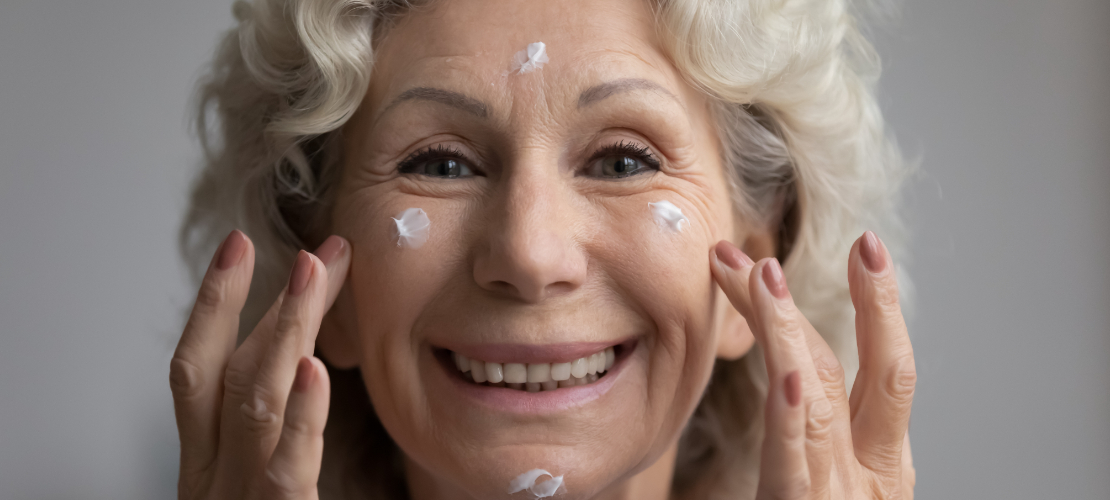
Pollution and its harmful effects
While pollution is not solely to blame for skin problems, it is nonetheless formidable in its effects on the skin, particularly because of fine particles. They find their way into the respiratory tract, settle on the skin and stop it from breathing. The consequences? Skin that is less toned, more pronounced wrinkles, flare-ups of acne or redness. These effects have been studied, yet many questions remain unanswered. The one certainty is that microparticles accelerate skin ageing. "Air pollutants encourage the development of free radicals, which are known to be responsible for premature ageing," explains Nicole Maysa, who runs a beauty treatment centre.
Tobacco, the skin's enemy
In this context, it is impossible to ignore smoking. "Nicotine has a negative effect on vitamin C. A vitamin C deficiency means less collagen is produced, and so wrinkles and other imperfections appear on skin that is less elastic. The many harmful substances in cigarette smoke also increase the oxidative stress on the epidermis of smokers, both active and passive. As for that greyish tinge to the skin, it is caused by the vasoconstriction of the blood vessels, which gives the face that aged, grey look," sums up Nicole Maysa.
Practical ways to protect your skin from pollution
Some easy habits can drastically reduce the effects of pollution.
What should you do about outdoor exercise if you live in a city? Nicole Maysa explains: "I always advise my clients to choose times outside the pollution peaks of the rush hour, with as much skin covered as possible, and to avoid exercising during the hottest, sunniest hours, because UVA rays make the effects of pollution on the skin even worse. For the face and hands, a day cream and a high-factor sun protection will be valuable allies."
This skin specialist also reminds us to think about cleaning up the air indoors: by airing rooms, and by getting rid of deodorant sprays, scented candles and furniture made from boards high in formaldehyde. All of these are products rich in VOCs (volatile organic compounds). And how should you treat your skin? "I recommend a (very) gentle scrub every evening, to loosen all the fine particles clinging to the skin. And don't forget a moisturising cream to restore the hydrolipidic film," says Nicole Maysa. All of this advice should go hand in hand with a balanced diet, rich in vitamins C and E and in beta-carotene, an excellent antioxidant for slowing skin ageing.
 Beauty
 Beauty
 Beauty