
How to Keep Chapped Lips at Bay
Translated from French. Original title: “Nos astuces pour éviter d’avoir les lèvres gercées”
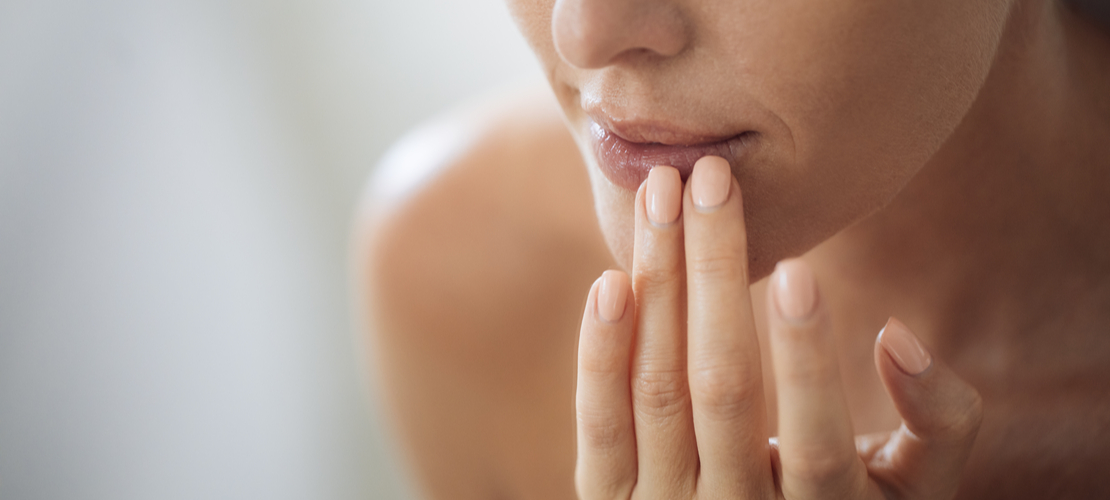
Lips that need a little pampering
"Don't make me laugh, my lips are chapped." A well-known quip that reminds us just how fragile our lips are, particularly when the weather turns cold and dry, leaving them cracked and sore. Besides the discomfort, the look of them is hardly glamorous, it has to be said. Like the rest of your body, your lips deserve your full attention. With a few simple, effective habits, you can keep them soft and looking their best.
What causes chapped lips
The weather isn't the only culprit behind lips in a sorry state. Bad everyday habits play their part too, made worse if the air around you is too dry, as it so often is in our homes or in air-conditioned offices. Chapped lips can also be the result of not drinking enough. Even in winter, remember to drink regularly, and to eat fruit rich in vitamins (including A, B, C and E), which are precious allies for your skin.
Finally, if your lips don't respond to treatment, it is worth consulting a dermatologist, as the problem can mask others, such as a vitamin deficiency, or something more serious linked to an inflammatory condition or a side effect of medication.
5 tips for keeping your lips healthy
To avoid chapping and sore patches, there are some habits to adopt and others to avoid:
- Stop licking your lips. It may seem soothing, but the moisture left on your lips only makes the chapping worse, because of the enzymes in saliva.
- Protect your lips well if you are heading off for a winter sports break. The sun, and its risks, is your lips' enemy. Take a balm that offers strong UV protection, and apply it regularly.
- Avoid breathing through your mouth. Inhaling cold air dries your lips out even more.
- Gently exfoliate your lips to remove dead skin.
- Don't forget to put humidifiers in your home to prevent the air from becoming too dry.
Which balm should you choose?
Ideally, opt for an organic stick. The best products contain lanolin, shea butter or beeswax. Avoid tinted and scented balms, however, as they are not recommended because of their irritating effect. And finally, for reasons of hygiene, a balm should never be shared.
Honey to the rescue
A miracle product, honey works wonders on damaged lips too, thanks to its healing properties. An effective old wives' remedy is to spread it generously over your lips. Leave this protective layer on for about an hour, and repeat several times. Soothing relief guaranteed.
 Beauty
 Beauty
 Beauty