
Epigenetics: The Art of Growing Younger from Within
Welcome to the age of epigenetics, the fascinating discipline that explores how our emotions, diet, sleep and environment influence the way our genes are expressed. In other words, we are no longer merely the heirs to our genetic inheritance: we are its artists. And it is this discovery that is now inspiring the biggest names in skincare, from Sisley to NIVEA by way of Eucerin, all united by a single goal: to reawaken the youthfulness of our cells.
Translated from French. Original title: “L’épigénétique ou l’art de rajeunir de l’intérieur”
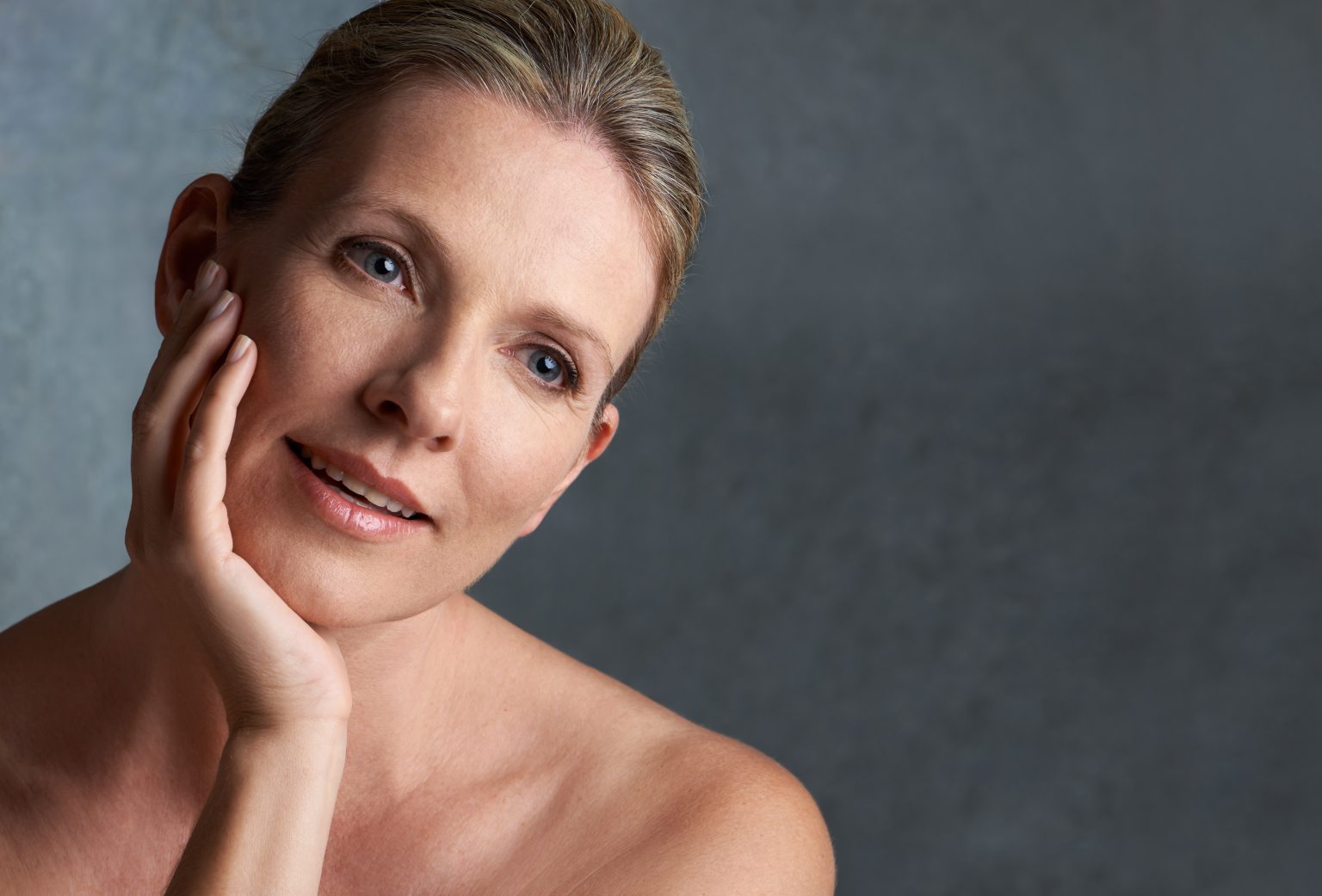
A silent (r)evolution
"Epigenetics is where our genes meet our lifestyle," explains Joël de Rosnay, scientist and author of La Symphonie du Vivant. "We are co-authors of our own health, because our behaviour, emotions, diet and environment modulate the expression of our genes without ever changing their structure."
In other words, while the score of our DNA stays the same, we can change the music.
It is a revolution — biological, but philosophical too. Because it gives each of us the power to slow down, even reverse, some of the effects of time.
Our best (or worst) allies
Researchers have identified five essential pillars for influencing our genes positively:
- A balanced diet, rich in plant foods, antioxidants and omega-3s.
- Regular physical activity, which stimulates cell regeneration.
- Stress management, through breathing, meditation or the simple pleasure of a walk in nature.
- Pleasure and positive emotions, true activators of biological youth.
- Harmonious human relationships, which nourish the body as much as the soul.
Conversely, chronic stress, a sedentary lifestyle, an unbalanced diet or lack of sleep speed up our "epigenetic age" — that is, the real age of our cells, which is often different from our chronological age. The good news? Unlike genetics, epigenetics is reversible. It holds the promise of ageing that we can not only slow down but, in part, correct — from within.
When science finds its way into our creams
The cosmetics industry was quick to seize on this discovery. After decades of targeting wrinkles on the surface, the new generation of skincare is now tackling the epigenetic mechanisms of skin ageing. "The expression of our genes is not fixed," points out José Ginestar, scientific director at Sisley. "Our emotions, stress, lack of sleep and pollution all disrupt the skin's natural ability to regenerate. Our aim was to understand these interactions so that we could act at the source."
At Sisley, this has resulted in Sisleÿa Intégral Anti-Âge, a formula that works on cellular biorhythms, on the mitochondria (the cells' energy sources) and on the telomeres, the protective "caps" on our DNA. The result: skin that is firmer, more radiant and better in sync with the passing of time.
For its part, Eucerin has spent several years exploring the effects of epigenetics through products designed to visibly "reverse" the signs of ageing by stimulating the skin's natural regeneration functions. And more recently, NIVEA unveiled a major innovation with its Sérum Cellular Epigenetics and its star ingredient, Epicelline®, the fruit of fifteen years of research. This molecule reactivates the youthful functions of skin cells and acts directly on their behaviour. It is a feat that brings epigenetics within everyone's reach, having once been confined to cutting-edge laboratories.
The biological age of the skin
Thanks to pioneering technologies such as Age Clock Technology, developed by the Beiersdorf laboratories, it is now possible to measure the biological age of the skin, which is quite different from its chronological age. Studies have shown that two people of the same age can differ by several years in cellular age, depending on their lifestyle and their exposure to stress or UV rays. This knowledge paves the way for personalised skincare, able to tailor its active ingredients to the biological history of each skin. A bespoke, almost intimate approach, where science and beauty meet.
From the cell to society: a symphony of life
For Joël de Rosnay, epigenetics goes beyond the human body. He even speaks of a "societal DNA" that we can rewrite collectively. "Our emotions, behaviour and actions influence social structures just as they influence our cells," he stresses. Collective movements, driven by emotion, change behaviour and transform our societies. This analogy between biology and culture shows just how much we are beings of interaction: everything we experience, feel or share leaves its mark, right down to our cells.
Ageing, then, can no longer be reduced to the mere erosion of time. It is a permanent conversation between our body and our environment, between what we inherit and what we choose to activate.
Slowing down time, one daily gesture at a time
In this new view of ageing, beauty cannot be bought only in a bottle: it is cultivated every day. Sleeping well, breathing deeply, laughing often, loving without restraint… All simple but powerful gestures, capable of soothing our cells and bringing our biology back into harmony. Epigenetic skincare then becomes the accomplice of an art of living. It does not promise eternal youth, but an inner youthfulness that shows on the surface. And what if, in the end, that were epigenetics' loveliest promise: no longer to endure time, but to talk to it?
Did you know?
- The word "epigenetics" comes from the Greek epi (above) and genesis (origin).
- What you eat, feel and breathe influences up to 30% of the expression of your genes.
- One study showed that a healthy lifestyle could reduce biological age by three years in just eight weeks.
- Epigenetics is also inspiring anti-ageing nutrition, cellular meditation and even certain cognitive therapies.
copyright: iStock
 Beauty
 Beauty
 Beauty